
Programs
HMA Montessori programs.
We offer extended hours for working families, so we open at 7:00 AM and close at 6:00 PM. The Montessori Method runs from 8:30 AM to 2:45 PM, with arts, sports, languages, outdoor play, music, and computers taking the rest of the day. This balanced approach challenges the children while letting everything still feel like play.
The Montessori Method builds self-discipline, care for the environment and others, self-directed learning, and a passion for learning. We are a school, not a day care held to state minimum standards, because we know you are looking to give your child a strong start in learning.
Four programs, infants through Primary.
Each program keeps its own named classroom and groups children by stage of development, so every room stays multi-age. Choose a program to see its rooms, ages, and how the day is built.
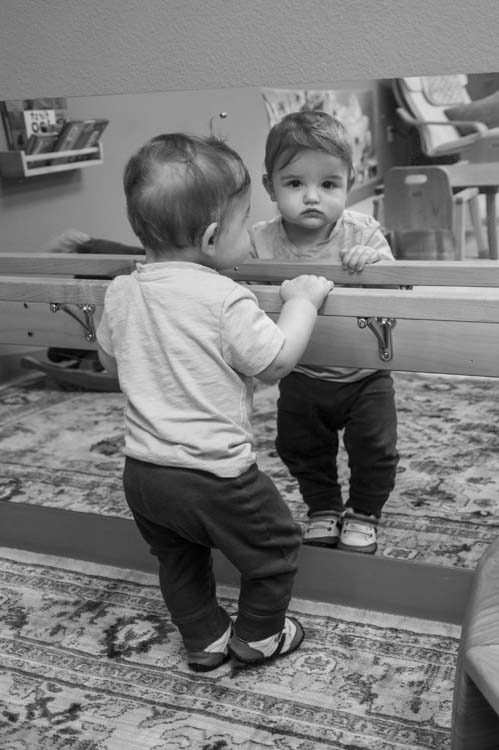
Infant
Chestnut classroom
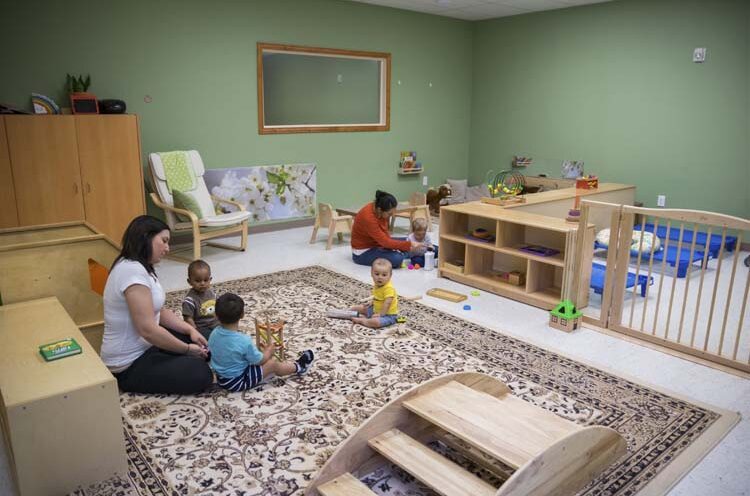
Waddlers
Mimosa classroom
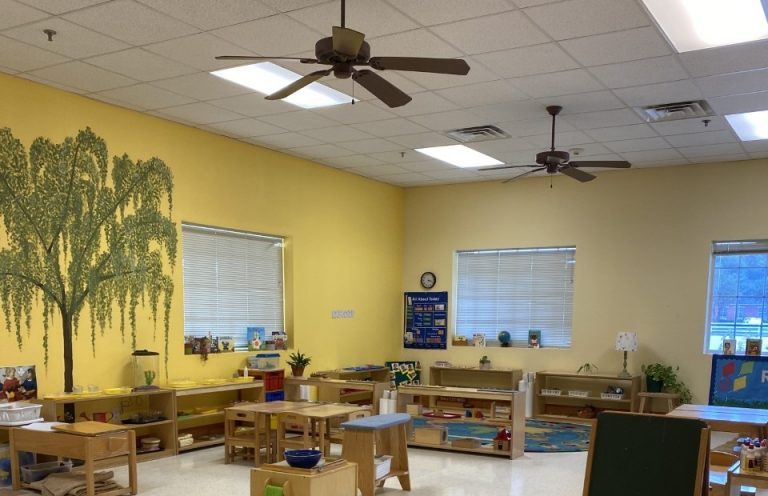
Toddler
Magnolia and Willow classrooms
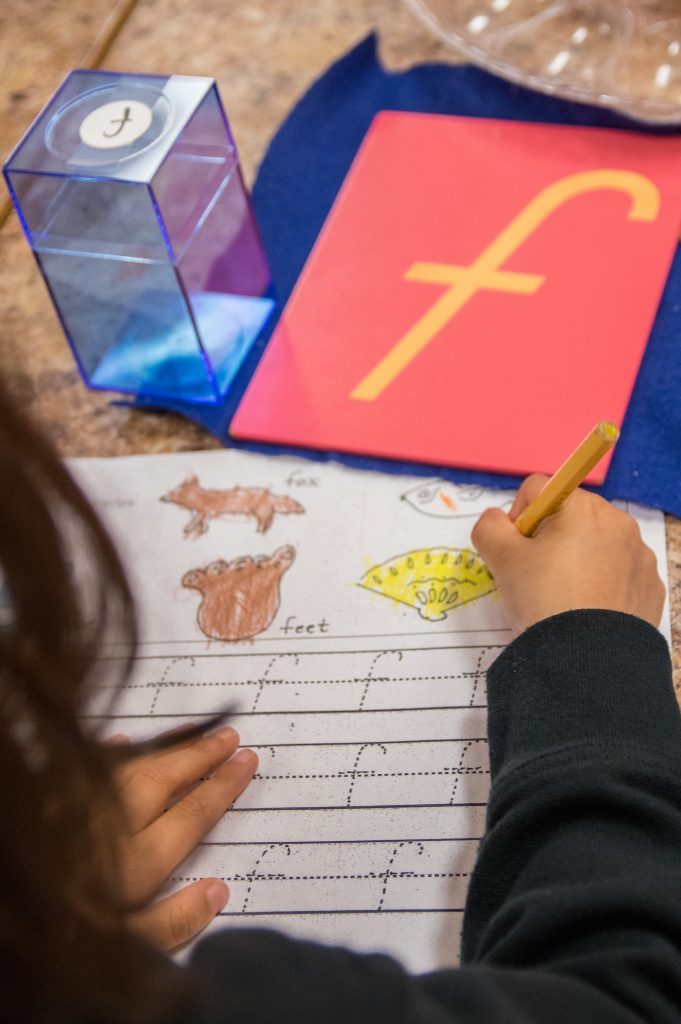
Primary
Walnut, Birch and Elm classrooms
Multi-age Montessori classrooms. Each room holds a well-balanced division of ages, so younger children learn from older ones and older children lead, with ample room for social growth. Our classrooms follow Montessori practice in line with AMI guidance.
The Montessori program
What the method gives a child.
- Fosters a life-long love of learning
- Allows children to work at their own pace free of pressure and competition
- Optimizes learning by recognizing and utilizing appropriate learning styles
- Engages all the modalities: kinesthetic, visual and auditory
- Serves the development of the whole child: academic, social, emotional and spiritual
- Classifies groups by stages of development allowing multi-ages and ample social development
The teacher's role is to observe each individual child and provide safety, comfort, guidance, strength and coaching.
Questions parents ask us.
A few of the things families wonder about the Montessori way of learning, answered in plain terms.
How can children learn if they're free to do whatever they want?
Dr. Montessori observed that children are more motivated to learn when working on something of their own choosing. A Montessori student may choose his focus of learning on any given day, but his decision is limited by the materials and activities in each area of the curriculum that his teacher has prepared and presented to him.
If children work at their own pace, don't they fall behind?
Although students are free to work at their own pace, they're not going it alone. The Montessori teacher closely observes each child and provides materials and activities that advance his learning by building on skills and knowledge already gained. This gentle guidance helps him master the challenge at hand and protects him from moving on before he's ready, which is what actually causes children to "fall behind".
Do Montessori teachers follow a curriculum?
Montessori schools teach the same basic skills as traditional schools, and offer a rigorous academic program. Most of the subject areas are familiar such as math, science, history, geography, and language but they are presented through an integrated approach that brings separate strands of the curriculum together.
Why don't Montessori teachers give grades?
Grades, like other external rewards, have little lasting effect on a child's efforts or achievements. The Montessori approach nurtures the motivation that comes from within, kindling the child's natural desire to learn.
Want the longer story? Read about the Montessori method and the way our days are built.
See which room fits your child.
Choosing the best school for our children is one of the most important and lasting responsibilities we have. The best way to choose is to visit. Walk the classrooms, meet a teacher, watch a work cycle, and ask us anything.